────────
Field Notes Vol. I — 2026

Rest.Rhythm.Record.

A London-based editorial publication documenting the everyday science of sleep hygiene, wind-down habits, and restorative rest. Observations drawn from published research and consistent practice.

3
Feature Articles
12+
Sleep Topics Covered
2026
Current Edition
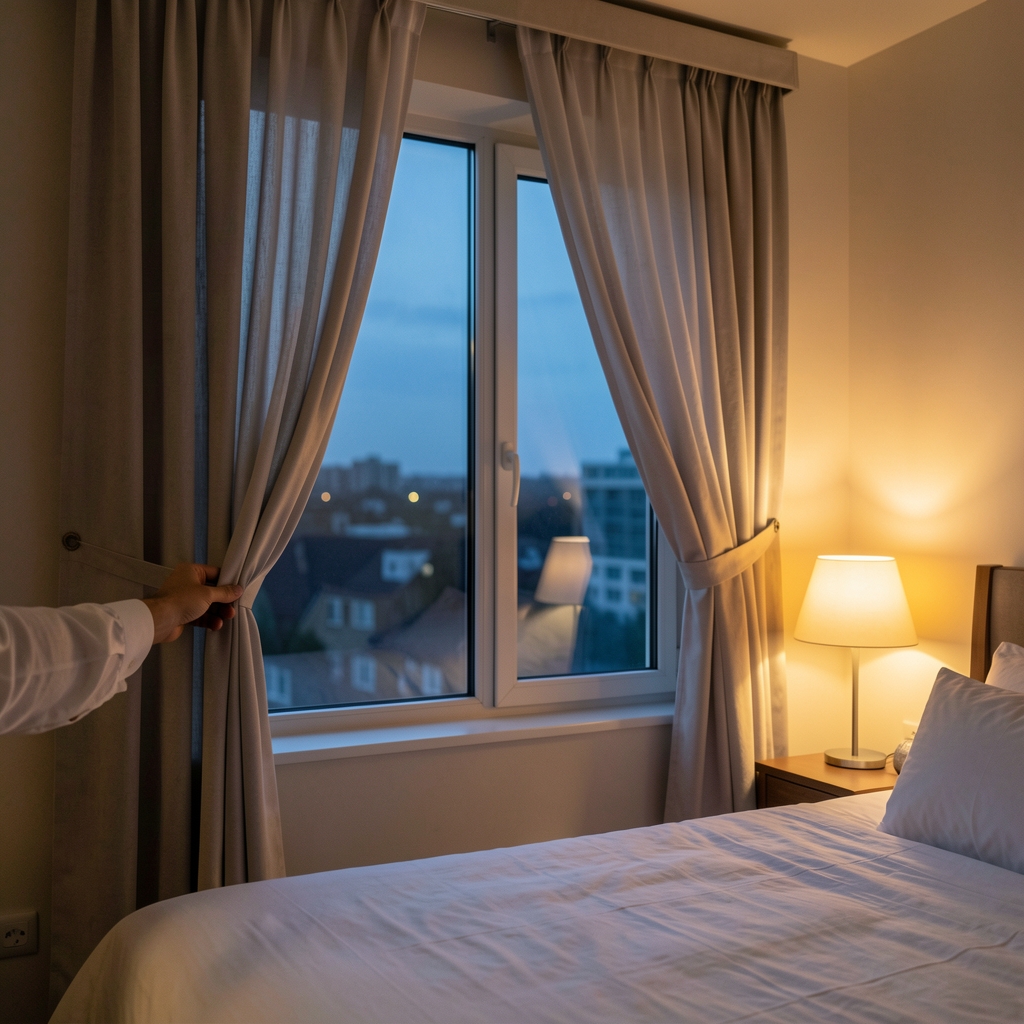
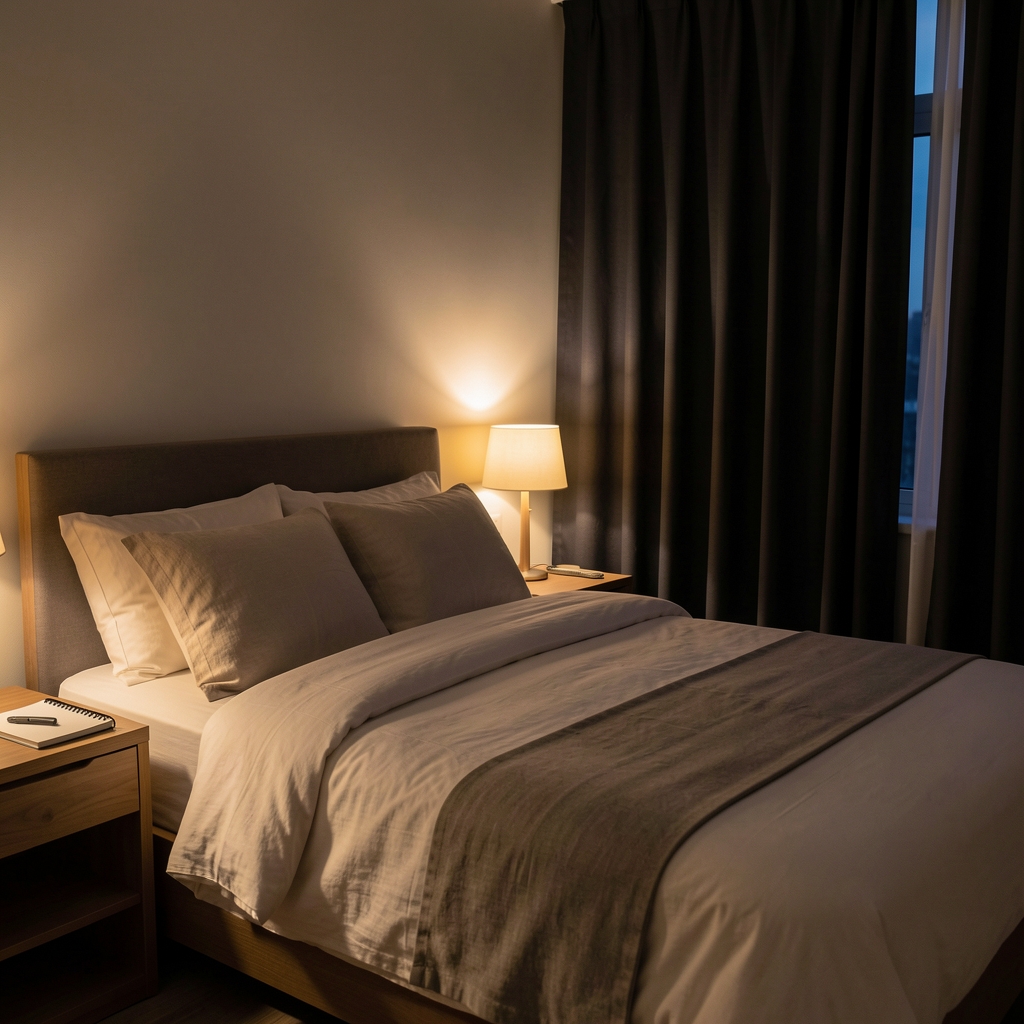
Dimly lit bedroom in the late evening, a single lamp casting warm light on a neatly made bed with linen pillows, blackout curtains partially drawn, notebook on the bedside table
London, 2026 — Documentation: Rest Environments Series
Field Notes / Rest Research
01
// Featured Reading

Current Field Notes

// Documentation Areas
Sleep Hygiene
Consistent nightly rituals and the conditions that support natural rest.
Circadian Rhythm
Light exposure, timing cues, and the body's internal scheduling architecture.
Bedroom Environment
Temperature, ambient sound, light control, and spatial arrangement for rest.
Morning Freshness
Wake routines, morning light, and the transition from rest to daytime energy.
// About This Publication

Documented. Observed. Published.

Taleva Field Notes operates as an independent editorial record of everyday rest practices. Observations are drawn from published sleep research and long-term documentation of personal and collective rest-related habits.

London, 2026. Each piece is reviewed before publication. Sources are cited where relevant. Corrections are noted with revision dates. The publication carries no commercial association with supplement, device, or retail categories.

About the Publication
Editorial desk with a notebook open to handwritten observations, pen resting alongside, a glass of water and small potted plant in the background, controlled studio lighting
London Studio — Field Notes Archive, 2026
02
// Key Observations — Published Findings
7–9
Hours
The consistent sleep-duration range associated with sustained daytime energy, per long-term population-level observations documented in published sleep literature.
90 min
Before Bed
The wind-down window commonly referenced in observational studies of evening routine and sleep-onset latency reduction. Reducing light exposure begins the circadian signal.
18–20°C
Bedroom Temp
The ambient temperature range most commonly associated with uninterrupted rest cycles in controlled bedroom-environment documentation.
// Common Enquiries

Frequently Asked Questions

Recurring questions from readers of Taleva Field Notes, addressed with reference to published observations and editorial documentation.

Our Methodology

Sleep hygiene refers to the collection of consistent habits and environmental conditions that support regular, uninterrupted rest. It encompasses timing, light exposure, pre-sleep behaviour, and physical surroundings. Documented practice suggests that consistent sleep hygiene reduces the time it takes to fall asleep and supports more even rest cycles across the night.

The circadian rhythm is the body's internal 24-hour scheduling framework, primarily calibrated by light exposure. When daily light and darkness signals are consistent, the body's internal clock aligns sleep pressure and alertness to predictable windows. Disruption to that schedule — through irregular sleep times or late-evening light exposure — shifts the internal timing and reduces overall rest quality.

An effective evening routine typically begins sixty to ninety minutes before the intended sleep time and involves reducing screen exposure, dimming overhead lighting, and transitioning to low-stimulation activities. Written in the field notes: the sequence matters as much as individual elements. A consistent order of activities — even simple ones — establishes a predictable wind-down signal for the nervous system.

Documented observations consistently reference three environmental variables: temperature (cooler conditions support deeper rest cycles), ambient sound (lower noise floors reduce micro-arousals), and light (darkness supports natural melatonin production). Bedroom setup, when optimised for these three factors, is among the most reliable non-habit adjustments for improving deep sleep duration.

Daytime energy levels are a downstream outcome of rest quality and quantity. Adequate deep sleep and consistent sleep-wake timing support normal cognitive function and reduce reported fatigue. The field notes cover this as a documentation of cause-and-effect across weekly rest logs, rather than as a one-size assessment.

// Editorial Process

Research sourced from published findings, reviewed before publication.

Second-editor review before publication
Sources cited with revision tracking
No commercial affiliations disclosed
Read Full Methodology